Revamp Your Environment: Professional Sliding Doors Installations for Elegance and Efficiency
Reimagining a living area often involves well-considered design decisions. Professional sliding door solutions offer a blend of form and function, positioning them as a superior choice for many properties. These doors not only enhance aesthetics but additionally optimize the distribution of light and area. Exploring the perks and alternatives offered could profoundly affect the entire mood of a household. The following insights will guide one through the critical aspects of implementing sliding doors successfully.
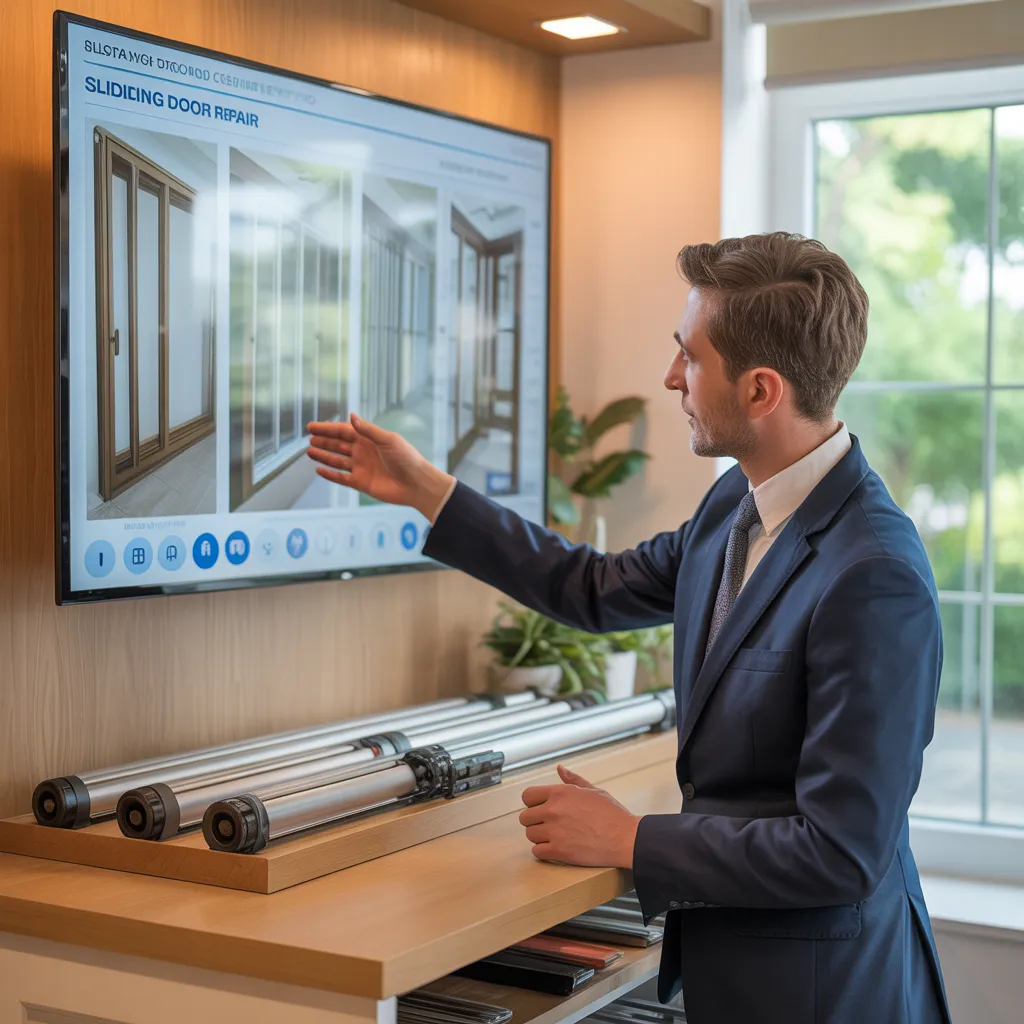
Why Sliding Doors Are Beneficial for Your Home
Sliding doors effectively improve the functionality and aesthetics of a home. They provide an ideal combination of elegance and functionality, creating an impression of greater space and openness. By enabling natural light to pour into rooms, sliding doors foster a warm ambiance while ensuring privacy. Their construction frequently incorporates expansive glass panels, which not only brighten rooms but also provide unobstructed views of the outdoors.
Aside from visual appeal, sliding doors provide excellent space efficiency. In contrast to conventional copyrightd doors, they need no additional space to swing open, making them well-suited to compact areas. Furthermore, they enable seamless movements between indoor and outdoor spaces, providing easy access to balconies, patios, or gardens. A number of contemporary sliding doors also offer energy-efficient glass solutions, contributing to better insulation and lower energy costs. Overall, the integration of sliding doors can considerably improve a home's design, offering a combination of style and functionality.
What to Expect During Sliding Door Installation
When considering sliding door installation, selecting the right style is important for both aesthetics and functionality. Learning about the installation process can assist homeowners in preparing for a seamless changeover. This summary will cover key considerations and steps involved in the installation of sliding doors.
Selecting The Ideal Style
How can one establish the most suitable design for sliding door installations? Choosing the correct style entails evaluating the general design of the space and the functionality demanded. Homeowners should assess their home design tastes, whether contemporary, classic, or simple, as this will influence their decision. Construction elements are critically important; choices such as hardwood, glazing, or metalwork can elevate both appearance and resilience. Moreover, the door layout—single, bi-fold, or pocket—should correspond to the available space and usage needs. Tone and texture should harmonize with current furnishings, guaranteeing a unified appearance. At the core, the perfect sliding door choice blends aesthetics with everyday utility, enhancing the home's ambiance while satisfying routine practical demands.
Installation Process Overview
The setup process for sliding door systems can greatly influence their operation and lifespan. Usually, this process commences with a comprehensive evaluation of the current space, verifying precise measurements and suitability for the chosen door design. After selecting the appropriate materials, the installer prepares the opening, verifying level alignment and structural soundness.
Next, the tracking mechanism is put in place, after which come the door panels, which are carefully hung to assure effortless movement. Accurate installation is critical to ward off subsequent concerns, such as sticking or misalignment. As a final step, the mounting process ends with comprehensive testing and calibration, making certain that the door operates seamlessly. By implementing these measures, experienced contractors guarantee a premium finish that improves both aesthetics and performance in all settings.
Choosing the Right Sliding Door Style for Your Space
What sliding door style works best for a particular space can greatly influence its complete look and usability. When choosing a sliding door, it is important to consider the existing decor and the door's planned function. Within contemporary spaces, smooth, frameless glass panels can complement a minimalist aesthetic, offering a clear and open view. Conversely, countryside-inspired spaces may favor barn-style doors, which introduce an element of warmth and personality.
Moreover, materials are a key consideration; wood delivers a classic look, while aluminum frames provide durability and a modern edge. Color and finish should align with the existing color palette to produce a seamless visual effect. Ultimately, the choice of sliding door should harmonize with the space, combining visual appeal with functional aspects like convenience and durability. Through thoughtful consideration of these elements, homeowners are able to choose a sliding door that enhances their living space.
How Sliding Doors Enhance Natural Light in Your Home
Sliding doors not only enhance the aesthetic appeal of a space but also play a significant role in maximizing natural light within the home. Their generous glass surfaces enable sunlight to pour in, establishing a luminous and inviting ambiance. As opposed to standard doors, which may hinder light and visibility, check article sliding doors sustain an unhindered view of the outdoors, allowing spaces to feel more open and closely linked to the natural world.
Furthermore, sliding doors that are thoughtfully positioned can illuminate spaces that would otherwise stay dark, such as hallways or smaller rooms. This influx of natural light can contribute to a more cheerful ambiance and promote a sense of well-being. Moreover, numerous contemporary sliding doors feature energy-efficient glass that permits natural light to enter while also assisting in maintaining comfortable indoor temperatures. All things considered, sliding doors provide an excellent means of boosting both the natural light and the general appearance of a home.
Enhance Space Flow and Functionality With Sliding Doors
Integrating sliding doors within a home's design can substantially boost the flow and functionality of a space. These adaptable additions create smooth transitions between living areas, allowing for better utilization of available space. Unlike traditional doors that swing open, sliding doors operate on a track, opening up floor space and giving narrow spaces a more open feel.
Their capacity to link indoor and outdoor living spaces further contributes to seamless flow. Homeowners can easily access patios or gardens, creating a sense of openness and connection. Additionally, sliding doors can serve as stylish room dividers, enabling flexible layouts that adapt to various needs.
With options available in numerous materials and design options, sliding doors can enhance any style, from modern to rustic. Ultimately, the integration of sliding doors not only improves the aesthetic appeal of a home but also improves its overall function, making them a beneficial upgrade for those who wish to elevate their home environment.
Upkeep Tips for Long-Lasting Sliding Doors
Keeping up with sliding doors is important for securing their lifespan and effectiveness. A consistent cleaning routine, along with frequent lubrication and alignment inspections, can reduce typical complications and boost performance. Applying these care recommendations will enable homeowners to enjoy their doors for the long term.
Consistent Cleaning Practice
A consistent maintenance schedule can markedly improve the lifespan and functionality of sliding doors. Regularly removing dust and debris from the tracks avoids obstructions that may interfere with smooth operation. Employing a soft cloth and a mild detergent helps maintain the glass surfaces, providing clarity and aesthetics. It is critical to examine and clear the seals and weather stripping to prevent moisture infiltration and potential damage. Moreover, examining the door frame for any evidence of damage or debris allows for timely interventions. Creating a cleaning schedule—monthly or seasonally—can keep sliding doors in optimal shape. By prioritizing cleanliness, homeowners can benefit from the appearance and efficiency of their sliding doors for years to come.
Maintenance and Lubrication
Ensuring the seamless function of sliding doors necessitates routine lubrication and care. For optimal performance, applying a silicone-based lubricant to the tracks and rollers is crucial. This stops dust and debris from accumulating, enabling smooth and effortless sliding. It is recommended to clean the tracks thoroughly before lubricating them, ensuring dirt does not interfere with movement. Additionally, inspecting the rollers for wear and tear is vital; replacing them as needed can prolong the lifespan of the doors. Periodically examining metal components for signs of rust or corrosion is also effective in preventing functional issues. By adhering to these upkeep routines, homeowners can keep their sliding doors both functional and attractive for many years.
Essential Alignment Assessments
Routinely carrying out thorough alignment evaluations is essential for the lifespan of sliding doors. Misalignment can lead to functional challenges, greater deterioration, and possible harm. To guarantee peak function, one should inspect the door's track and rollers for buildup, which can interfere with smooth movement. Furthermore, checking the door's horizontal and vertical alignment is essential; it should align properly within the frame. If the door shifts or catches, modifications may be needed. This can often include adjusting screws on the roller mechanism. Carrying out these evaluations every several months can prevent more significant issues down the line. This ultimately enhances both visual appeal and functionality. Regular maintenance will contribute to a smooth and reliable operation and extend the life of the sliding doors.
Questions We Often Receive
What Materials Are Commonly Used for Sliding Doors?
Frequently used materials for sliding doors feature wood, glass, aluminum, and vinyl. Each material provides distinct aesthetics and functional benefits, enabling homeowners to select choices that perfectly match their interior design while ensuring durability and effortless operation.
Can Sliding Doors Be Regarded as Energy-Efficient Alternatives?
Sliding doors represent environmentally conscious choices, especially when equipped with double or triple glazing. Adequate sealing and insulation also boost their overall performance, limiting heat transfer and preserving consistent indoor temperatures across all seasons.
How Do I Secure Sliding Doors Against Intruders?
To protect sliding doors from intruders, install a security bar or rod, utilize a multi-point locking mechanism, reinforce glass with security film, and explore adding a motion sensor alarm to further deter intruders.
Is It Possible to Customize Sliding Doors for Unique Spaces?
Certainly, sliding doors can be personalized to suit specific spaces. A wide range of sizes, materials, and designs are provided, giving homeowners to craft aesthetically pleasing and functional solutions that elevate both security and style in their environments.
What Are the Common Costs Involved in Sliding Door Services?
Typical costs for sliding door services vary widely, often ranging from $500 to $2,500 depending on materials, customization, and installation complexity. Extra costs can encompass hardware and any required structural adjustments for distinctive spaces.